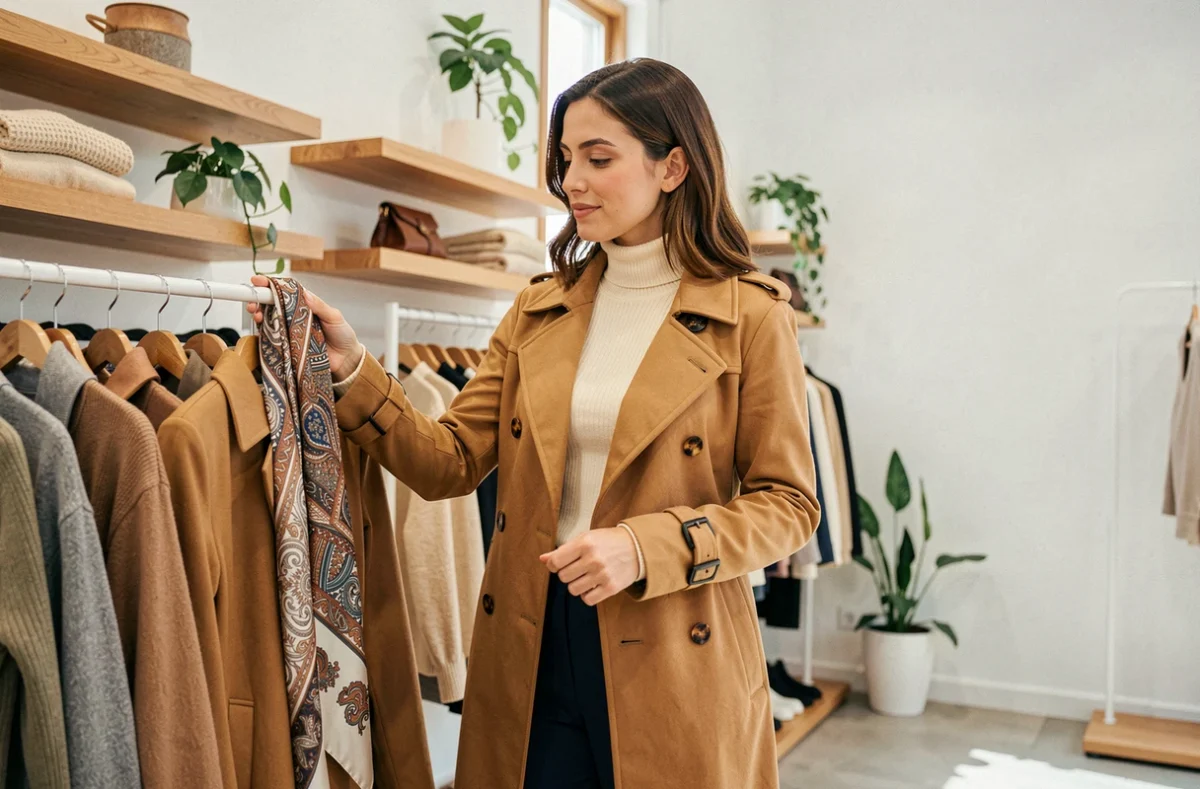
Buying a trendy item is about more than finding the right cut or the colour of the season. The true cost of a garment also depends on how many times you wear it, whether it can be repaired and how long it lasts before ending up at the back of your wardrobe. Comparing these factors before you pay changes the way you shop, whether in a store, a thrift shop or online.
Cost per wear, repairability, lifespan: three ways to assess a fashion purchase
Most shopping guides focus on places to shop or seasonal trends. They overlook what determines an item’s true value over time. Three indicators can help you tell a smart purchase from an impulse buy.
| Criterion | New trendy item (mainstream retailer) | Second-hand item (thrift shop or consignment store) | New sustainable item (responsible brand) |
|---|---|---|---|
| Average purchase price | Moderate | Low to moderate | High |
| Estimated number of wears | Fewer than twenty for a very trendy item | Varies depending on condition; often comparable to a new item if chosen carefully | Several dozen; designed to last |
| Cost per wear | Often the highest | Generally the lowest | Low if worn regularly |
| Repairability | Limited (weak seams, thin synthetic fabrics) | Depends on the garment’s original quality | Good (thick fabrics, reinforced seams) |
| Actual lifespan | One to two seasons | Already tested; the item has proved its worth | Several years |
Cost per wear is easy to calculate: divide the purchase price by the number of times you actually wear the garment. A discounted dress worn three times costs more per wear than a second-hand coat worn all winter.
When it comes to repairability, specialist sources point out that labour costs and the sometimes inadequate quality of garments continue to hinder textile repairs in France. Making a considered purchase from the outset (sturdy seams, dense fabric, replaceable buttons) helps prevent the problem.
Browsing Pulpe de Coton’s shopping edit, you’ll find everyday clothing and accessories selected for their ability to fit into a functional wardrobe rather than follow a fleeting trend.
Second-hand shopping: why it’s increasingly popular with under-35s
Second-hand clothing accounts for a growing share of apparel purchases in France. In the first half of 2025, its share by value was significantly higher among 18- to 34-year-olds than among people aged 55 and over. The gap between these age groups highlights a point that is often overlooked: shopping ideas don’t appeal to every shopper in the same way.
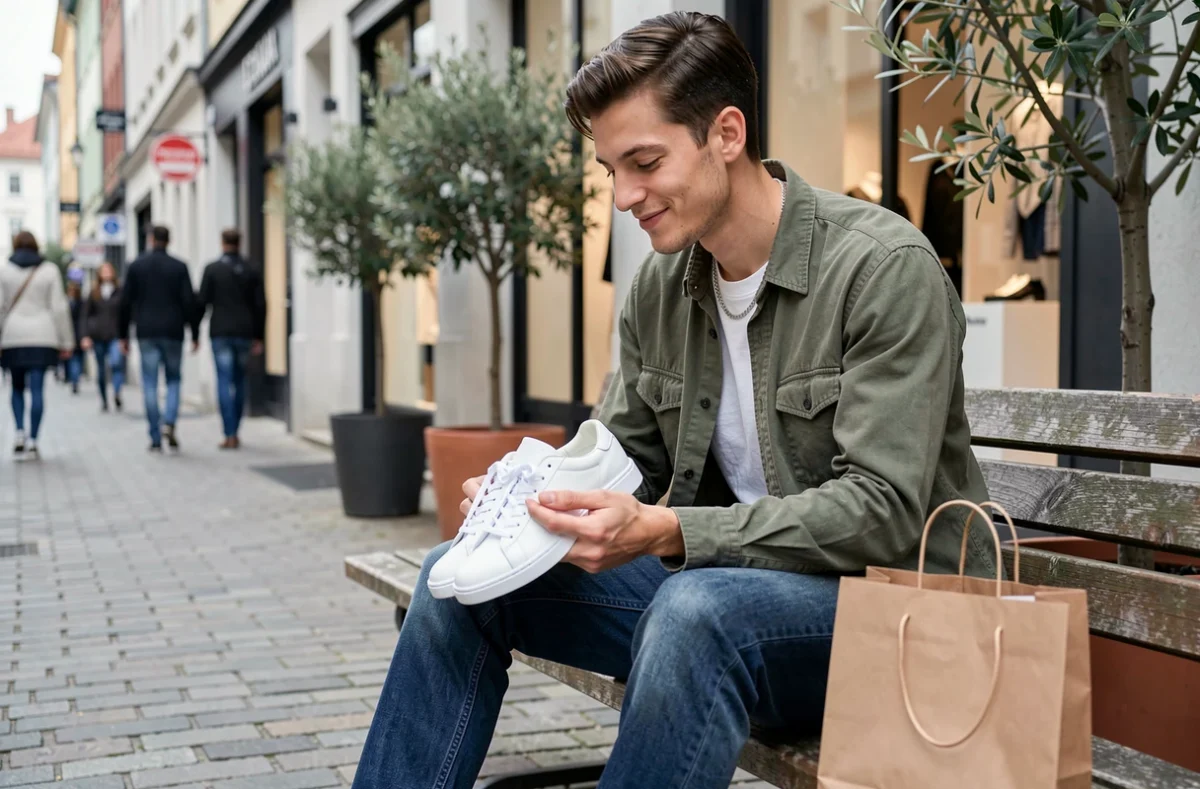
For younger shoppers, thrift shops and resale platforms have become a first port of call, not a backup plan. Budget isn’t the only motivation. Finding a one-of-a-kind item that no one else is wearing matters just as much as the price when deciding what to buy.
Physical stores remain key to second-hand shopping. Thrift shops, consignment stores and charity shops let you inspect the finish, check the seams and see how a garment fits before buying. Online platforms can’t fully replicate this advantage.
What to check before buying from a thrift shop
- Check the main seams (armholes, hems, fastenings): repairing a seam that comes undone on a second-hand garment can sometimes cost more than the garment itself
- Check the fabric composition on the label: a blend containing at least half natural fibres (cotton, linen, wool) will age better than pure synthetics
- Look for wear in high-friction areas (collar, cuffs, inner thighs): if it’s already noticeable, the item has reached halfway through its lifespan
- Consider whether it can be altered: shortening trousers is easy; taking a jacket in at the shoulders isn’t
Trendy pieces and everyday accessories: choose versatility over seasonal collections
Fashion trends change every season—that’s their nature. Building a wardrobe around every micro-trend (winter Pantone colours, exaggerated “shoulder” cuts, highly specific tops) means constantly replacing items and paying more per wear.
The alternative is to look for pieces that work across at least two seasons without looking dated. A structured blazer, a simple leather bag and a pair of boots with replaceable soles make good foundations. Trendy accessories (colourful jewellery, printed scarves, statement belts) add a seasonal touch without putting a strain on your budget.
How to assess an item’s versatility before buying
Before you pay, try this quick test: can you pair the item with at least three outfits already in your wardrobe? If not, the cost per wear will inevitably be higher, and the item may end up sitting on a hanger.
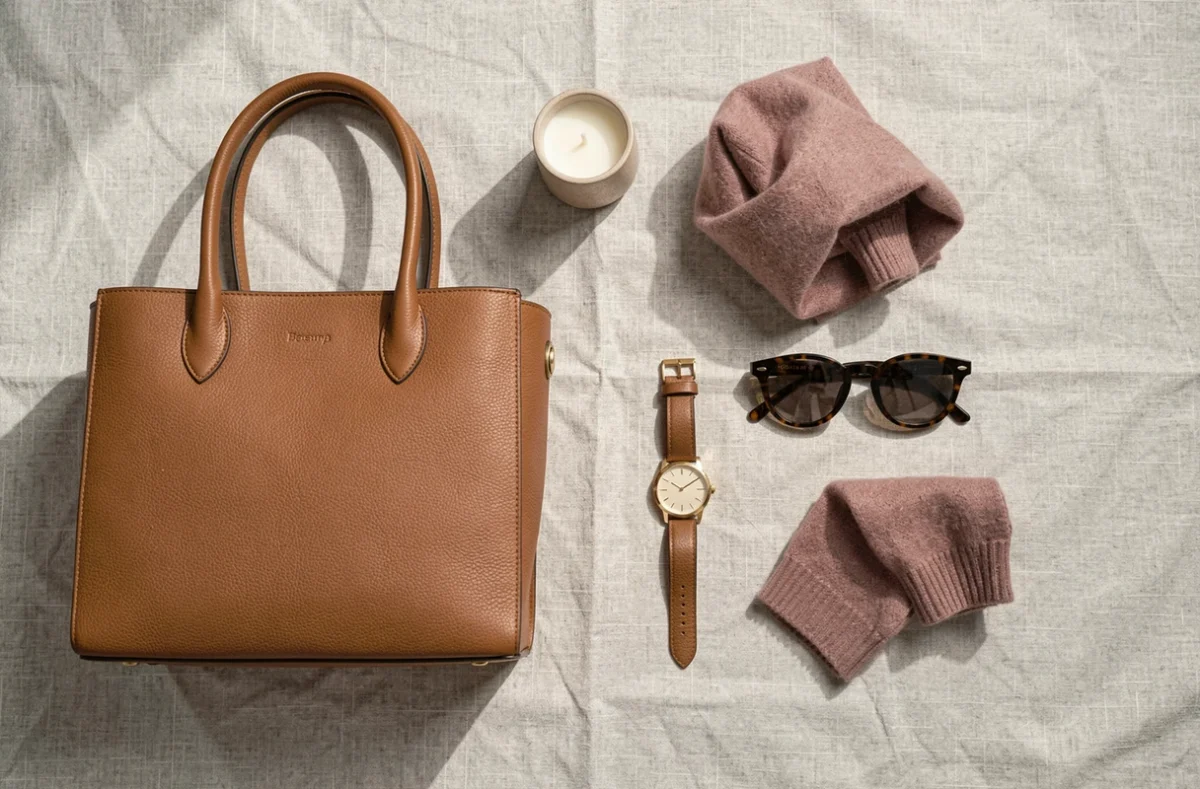
For everyday accessories (bags, wallets, glasses), repairability matters even more. A bag with a zip that a cobbler can replace will last for years. A glued model with no accessible stitching will become unusable at the first sign of damage.
French regulations and sustainability: what’s changing in textile shopping
France’s legal framework around fashion is evolving. Discussions on extended producer responsibility and environmental labelling for clothing are moving forward. Even before every measure is fully implemented, this regulatory momentum is encouraging brands to share more information about the composition, origin and durability of their products.
For consumers, this means greater access to useful information at the point of purchase. Reading the label is becoming just as strategic a shopping habit as comparing prices. A garment listing its country of manufacture, fabric weight and detailed care instructions inspires more confidence than an item with no information at all.
Textile repair is becoming more visible, even if it hasn’t yet become a widespread habit. Finding a reliable tailor or cobbler in your neighbourhood or town is part of shopping just as much as finding a good store.
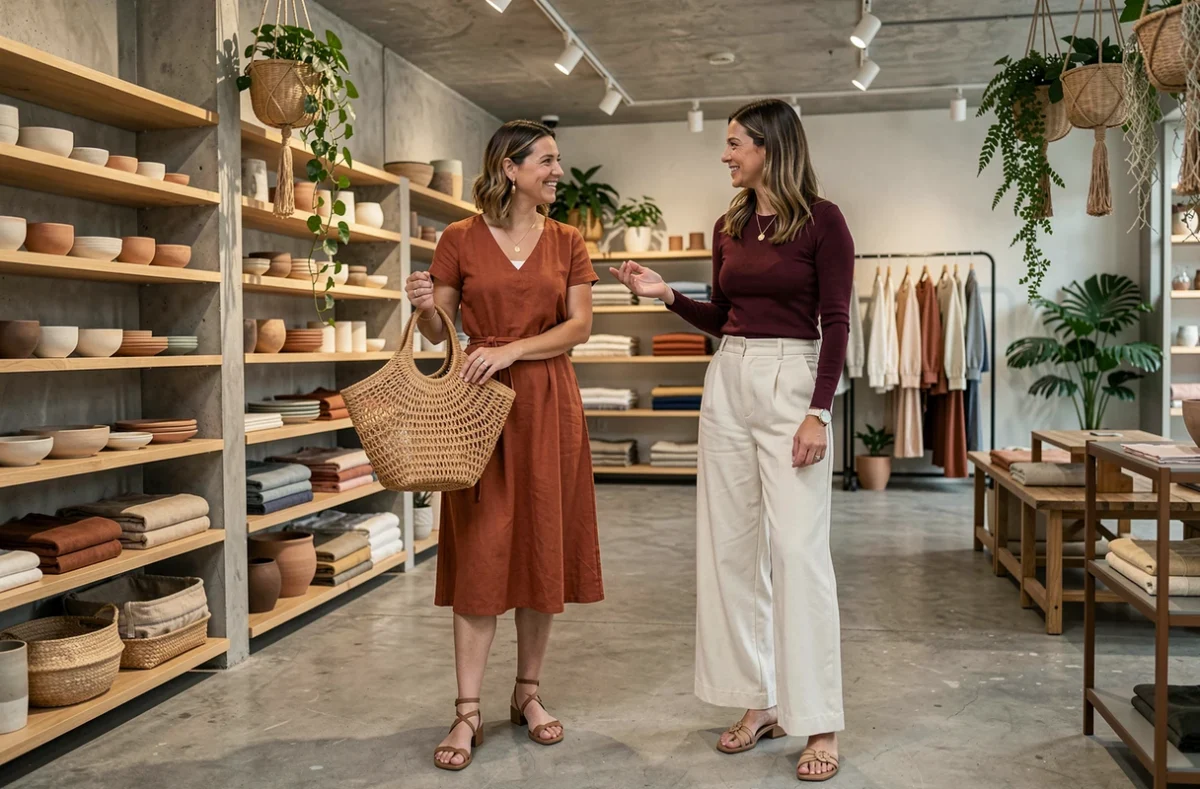
A trendy purchase that lasts three seasons and gets repaired once is worth more than a favourite item worn twice. The best shopping habit is to do the maths before you fall for something.